Mendocino Folklore Camp was a pioneer of folk dance camps in northern California. It began as a weekend in the town of Mendocino in 1962, followed the next year with a full week in town. Madelynne Greene, the founder, had taught at Maine Folk Dance Camp that year and decided, together with C. Stewart Smith, to try a West Coast camp. She wanted it to have a woodsy setting, much like Maine Camp, and also to be a place where not only international folk dances were presented, but where music, customs, folklore, and ethnic foods set the scene for a truly unique experience.
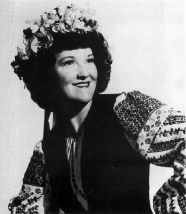
Two years later Madelynne moved the camp to the Mendocino Woodlands, and it flourished under her creative direction as The Madelynne Greene Folklore Camp. In 1970, Madelynne’s death left the camp in the care of C. Stewart Smith, Gordon Engler, and Nora Hughes, who managed the camp that year and the next. Then Honora Clark organized a group to continue the camp. In 1972, she, Dean and Nancy Linscott, and Joan and Dale Donleavy became directors of the Mendocino Folklore Camp. Under their dedicated leadership, Folklore Camp and the Woodlands saw growth and improvement in every possible way.
The directors evolved through the years and included wonderfully dedicated people such as Leon Pinsker (as in “Pinsker Grove”), Knute Fisher, Bev Mann, Jeff O’Connor, Marilyn Smith, Mary Korn, Mark Wegner, Sharon Fisher, Debbie Evenich, Phyris Tobler, Dave & Emma Charlebois, Wendy Zukas, Jay Michtom, Billy & Susie Burke, and Daniel Tuutau.
True to Madelynne’s dream, the camp became one of the most unique experiences of international folk culture in the United States. Superb dance and music teachers from all over the world taught there, and many dance teachers made their premiere appearance in North America at Folklore Camp. There was an ever-growing emphasis on dancing to live music, and the “Camp Band” brought many talented musicians over the years.
The camp owed heartfelt thanks to its many supporters over the decades—staff and campers who performed their “special” jobs to keep the camp running smoothly and enjoyably; people who endlessly donated their time, talents, and creativity to add the magic to its parties; friends who constantly promoted the camp; and generous donors who contributed through auctions and fundraising to keep the camp going strong.
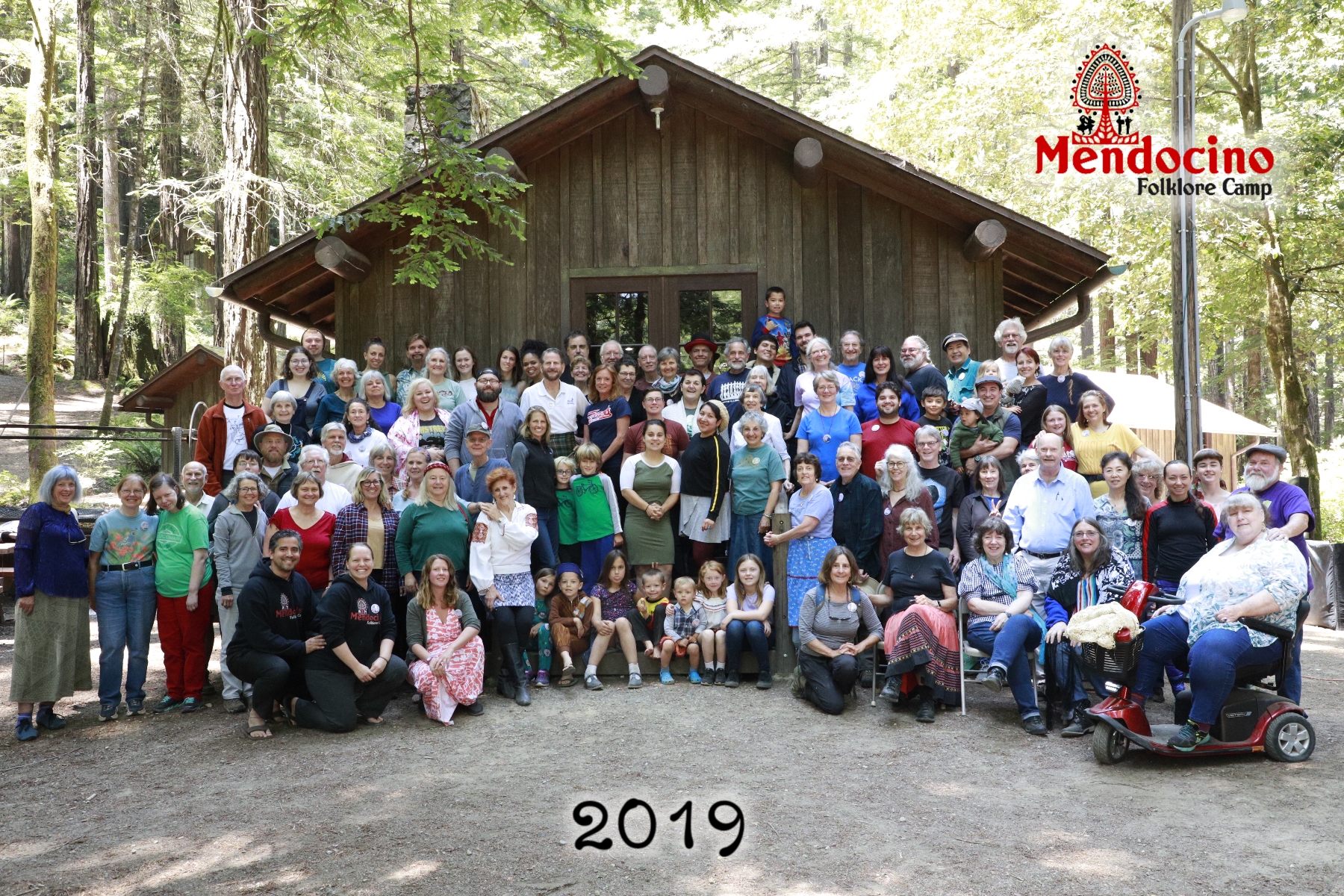
Its last year was 2019. After many years of fending off the inevitable, the camp came to a close due to an aging population and waning interest and support. Yet the final year was wonderfully attended and filled with the same music, dancing, laughter, and community spirit that had defined Folklore Camp for decades. In hindsight, the timing was almost providential—had the community tried to carry on, the arrival of COVID-19 would have brought the same conclusion whether it was wanted or not. Ending on such a high note allowed Folklore Camp to close with dignity, leaving behind not just memories of music and dance, but a lasting legacy of friendships, traditions, and joy that enriched the lives of all who attended.